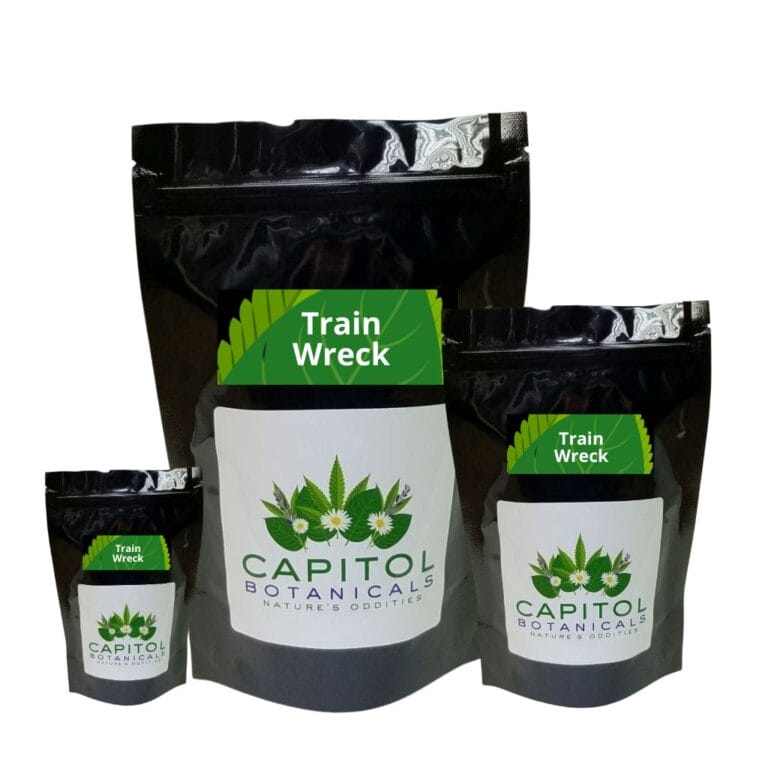
Natural herbs like chamomile and lavender have been traditionally used for relaxation, with chamomile’s teas and lavender’s scent associated with calming effects. Valerian root has also been historically used for a sense of tranquility, while kava is connected to Pacific Island cultural practices. Kratom is known to vary in type and is sometimes used for muscle relaxation and discomfort relief, and passionflower is incorporated into various traditional practices. Each herb has its own unique background and potential applications.
Key Takeaways
- Valerian root has a calming effect.
- Lavender has a soothing aroma that can enhance mood and create a peaceful environment.
- Chamomile tea is caffeine-free.
- Kava roots have been traditionally used in Pacific Island ceremonies.
- Kratom leaves have been traditionally used in Southeast Asia.
Kratom: Traditional Uses and Varieties
While kratom might sound like just another exotic herb, its story is deeply rooted in the daily lives of Southeast Asian farmers and laborers who have relied on its leaves for centuries.
As one of the natural herbs, kratom was traditionally chewed, smoked, or brewed into tea. It found a place among herbs for relaxation, soothing muscle soreness and easing discomfort after long workdays. The tree itself can grow up to 25m tall, showcasing its impressive presence in the region. Kratom comes from the same family of plants as coffee and gardenia, adding to its rich botanical heritage.
Kratom comes in several varieties—Green Vein, Red Vein, and White Vein—each offering distinct characteristics. At Capitol Botanicals, you’ll find premium quality Red Bali, Red Maeng Da, and other red vein varieties sourced directly from trusted Indonesian farmers. These relaxation herbs carry a copious cultural history, blending utility with tradition.
Kava: Features and Cultural Significance
Even though kava might not be a household name everywhere, its presence in Pacific Island cultures is as natural as the ocean breeze and just as comforting. This evergreen shrub, with heart-shaped leaves, grows tall and takes years to mature before its roots hold the prized kavalactones. Kava is more than a plant; it’s a bridge linking people through tradition and relaxation.
Kava roots are prepared by straining minced pieces in water, creating a drink central to ceremonies. Traditionally, kava was harvested around four years of age when kavalactone concentrations are highest.
Different kava varieties offer a range of effects, chosen intentionally by locals. At Capitol Botanicals, we offer premium kava products like 3 Dragons Brewing Kava Soda and other traditional and modern kava preparations.
Sharing kava symbolizes respect, hospitality, and community bonding—a moment to pause and connect.
In Pacific life, kava is freedom in a cup, inviting calm and camaraderie with every sip.
Chamomile: Common Forms and Preparation

Chamomile’s dried flowers are the preferred choice for creating a cup of tea. Brewing chamomile tea involves steeping the flowers to unlock their gentle flavors without turning bitter. Chamomile tea is naturally caffeine-free, making it a soothing option any time of day. Studies show chamomile can substantially help with generalized anxiety disorder.
Chamomile also comes in the form of extracts, providing a more concentrated way to enjoy its essence. At Capitol Botanicals in Cody, Wyoming, we offer a variety of natural herbs and supplements to complement your wellness routine.
Dried Flowers Usage
Dried chamomile flowers can add a versatile and adaptable touch to everyday routines. This humble herb offers a unique way to incorporate natural elements, providing a sense of calm and comfort in various forms.
Dried chamomile flowers are valued for their apple-like scent and delicate white petals. German chamomile, also known as scented mayweed, is the species most commonly used for making chamomile tea due to its beneficial ingredients. Their uses include:
- Infusing oils or creams to create soothing skincare products that appeal to the senses.
- Adding to baked goods, lending a discreet floral flavor that enhances desserts with a natural charm.
- Serving as a natural fabric dye, presenting a soft, earthy yellow tone for creative self-expression.
CBD’s anti-inflammatory properties have been studied for their potential to alleviate inflammation. Each application captures chamomile’s gentle spirit, suitable for those seeking a connection with nature.
Tea Brewing Methods
Several simple yet effective methods exist for brewing chamomile tea, each bringing out different qualities in this beloved herb.
This guide suggests starting with 2 teaspoons of chamomile per 8 ounces of hot, filtered water, steeped for about 5 minutes for a light brew. Steeping longer—up to 30 or 45 minutes—draws out a more robust flavor. It is important to use water heated to 205-212°F to avoid bitterness and bring out the best flavor.
Different Kratom strains and doses have varied effects. Cold infusion is another option, letting chamomile slowly mingle in cold water for hours or overnight. Using a warmed teapot or a fine mesh strainer helps keep flavors balanced, while additions like ginger or lemon brighten the experience.
Storing brewed tea in a glass pitcher keeps it handy for up to four days. At Capitol Botanicals, we offer premium Green Maeng Da and other kratom varieties that can be prepared as tea using similar brewing methods.
Sachet and Extract Forms
Two popular ways chamomile makes its way into daily routines are through sachets and extracts, each providing a unique convenience and intensity of flavor.
Sachets offer a simple, no-fuss herbal option—just steep the dried flowers in hot water. Extracts come concentrated, often prepared through careful solvent or aqueous methods, capturing chamomile’s active compounds. These herbal products can be freeze-dried or stored in airtight containers. However, convection oven-drying is often preferred for preparing chamomile extracts because it preserves higher polyphenol content while maintaining desirable powder characteristics. Chamomile extracts possess a stronger flavor compared to sachets.
Choosing between sachets and extracts depends on how much freedom you want in your routine. At Capitol Botanicals, we offer Sleepytime CBG/CBN gummies that provide a convenient alternative to traditional extracts.
- Sachets are easy and portable.
- Extracts offer stronger flavor.
- Both forms fit modern lifestyles.
Lavender: Aromatic Properties and Uses

While many plants offer a gentle touch of calm, lavender stands out with its instantly recognizable, soothing scent that seems to wrap around the senses like a cozy blanket. This beloved herb, often found at family-owned herbal shops like Capitol Botanicals, carries aromatic compounds like linalool that quietly ease tension and invite tranquility.
Whether used as dried flowers, essential oils in diffusers, or tucked into sachets, lavender’s calming aroma helps create a peaceful space, perfect for unwinding after a busy day. Lavender is a popular plant for growing in backyards or on window sills, making it easily accessible for those who want a fresh source of its calming scent. Its scent varies with type—English lavender being a favorite for its gentle floral notes that feel like a soft hug.
Beyond its fragrance, lavender’s uses extend to mood enhancement, making it a multipurpose, adaptable companion for those seeking natural relaxation. Gold Kratom is a relatively mild strain, making it a good starting point for beginners, available at Capitol Botanicals, your premier kratom provider in Wyoming.
Valerian Root: Historical Applications
Though often overshadowed by flashier remedies, valerian root carries a substantial history that whispers stories from ancient Greece to wartime Europe, revealing its quiet role as a companion for those seeking calm. Valerian’s voyage winds through centuries, touching lives with its calming presence.
Ancient healers like Hippocrates and Galen recognized valerian. Nardos/Nardus appeared in Hippocratic treatises for gynecological fumigation and post-partum mixtures, highlighting its early medicinal importance. CBD massage oil has become popular in the cosmetics business, providing a calming effect similar to that of valerian.
In Europe’s Middle Ages and Renaissance, it soothed trembling hands, headaches, and even epilepsy, earning a reputation.
During World Wars, valerian quietly aided soldiers, providing a calm amid chaos.
This humble root, often brewed or blended, stands as a testament to nature’s gentle power. At Capitol Botanicals in Cody, Wyoming, we offer a variety of natural herbs and supplements, each rigorously lab-tested for quality and potency.
Passionflower: Characteristics and Traditional Use

Passionflower is a climbing vine with elaborate flowers that have caught the eye of many over the years. Traditionally, its leaves and flowers have been brewed into teas. The plant is well known for its long history of medicinal use as a sedative and anxiolytic. Bitters can aid digestion and support overall gut health, which is important for managing stress.
Botanical Description
Because it often climbs and twines with a lively energy, this vine brings a touch of wild charm to any garden or natural space. Passionflower is a fast-growing, deciduous vine reaching up to fifteen feet, using sticky, yellow-haired stems and tendrils to find its way upward. It belongs to a genus of over 500 species of mostly tendril-bearing vines found throughout neotropical regions of the Americas. Local CBD and kratom shops play a vital role in providing access to quality natural products and supporting their communities.
Its flowers, often crown-shaped and colorful in shades of blue, purple, and white, bloom from spring into summer, each lasting about a day. The fruit, berry-like and indehiscent, holds seeds in three neat groups. Passionflower thrives in warm climates but retreats underground when cold arrives, ready to burst back with freedom each spring.
Key features include:
- Vibrant, unique flowers with a remarkable corona.
- Rapid, robust climbing habit.
- Wildlife-friendly foliage and blossoms.
Traditional Cultural Uses
The lively vine’s extraordinary appearance and energetic growth tell only part of its story, as its roots run deep in many cultures’ traditions and everyday lives. Native American tribes like the Cherokee not only used passionflower but also enjoyed its young shoots as food. Spanish missionaries named it “passionflower,” inspired by its unique structure resembling Christian symbols. Across continents, from Mesoamerica’s rituals to Japan’s symbolism of identity, passionflower carried meaning beyond its looks. It was used in ceremonies and even treated ailments. Its fruits, called “maypops,” added to the diet, blending nourishment with tradition. This vine isn’t just a plant—it’s a living bridge connecting cultures, stories, and the simple human desire. The plants are also used for their potential health benefits, according to the information provided.
Preparation Methods
A handful of simple steps can transform passionflower’s leaves, vines, and flower buds into herbal preparations. Traditionally, this process involves a few key actions:
- Chop the plant parts finely and combine them with a menstruum—commonly alcohol, glycerin, or vinegar—in a 1:2 ratio.
- Let the mixture sit in a dark, quiet spot for several weeks, allowing the process to develop slowly.
- Finally, strain and store the tincture in a dark glass container.
At Capitol Botanicals, we apply similar attention to detail when creating our premium kratom blends, ensuring maximum potency and freshness in every product.
Frequently Asked Questions
Can These Herbs Be Combined Safely for Relaxation?
Combining herbs for relaxation requires caution due to potential additive effects. Professional guidance is essential to ensure safe use tailored to individual needs and avoid adverse reactions. At Capitol Botanicals, our knowledgeable staff can provide personalized recommendations based on your specific needs.
What Are the Best Storage Methods for These Herbs?
The best storage methods involve airtight glass containers placed in cool, dark locations to prevent moisture and light damage. Freezing preserves freshness long-term, while refrigeration suits short-term use. Proper labeling and avoiding sunlight extend herb potency. For kratom specifically, proper storage techniques are essential for maintaining potency and freshness.
Are There Any Environmental Impacts From Harvesting These Herbs?
Harvesting certain herbs can lead to habitat destruction, overharvesting, and biodiversity loss. Climate change alters growth cycles, while non-renewable practices threaten ecosystems. Eco-friendly methods and community involvement help balance economic needs with environmental preservation. At Capitol Botanicals, we source our kratom from sustainable Indonesian farms that practice responsible harvesting techniques.
How Do These Herbs Compare in Cost and Availability?
Relaxation herbs vary in cost and availability: chamomile and valerian are widely accessible and affordable, while rhodiola commands moderate prices and niche availability; handcrafted blends tend to be pricier, often sold online to specialized buyers. Capitol Botanicals offers competitively priced kratom and CBD products with a satisfaction guarantee on all purchases.
What Are Traditional Rituals Involving These Herbs Beyond Relaxation?
Traditional rituals incorporate valerian, chamomile, and lavender, reflecting cultural legacy and holistic well-being approaches through herbal use. Kratom, available at Capitol Botanicals, has its own rich cultural history in Southeast Asia that extends beyond relaxation to community gathering and ceremonial practices.
References
- https://en.wikipedia.org/wiki/Mitragyna_speciosa
- https://www.deadiversion.usdoj.gov/drug_chem_info/kratom.pdf
- https://www.acslab.com/kratom/unraveling-kratom-historical-roots-regulations-medical-potential
- https://en.wikipedia.org/wiki/Kava
- https://www.missouribotanicalgarden.org/PlantFinder/PlantFinderDetails.aspx?taxonid=285095
- https://healthlibrary.uwmedicine.org/19
- https://kavasociety.nz/basic-information
- https://senchateabar.com/blogs/blog/how-to-make-chamomile-tea
- https://www.tuasaude.com/en/chamomile/
- https://www.rhs.org.uk/herbs/chamomile/grow-your-own