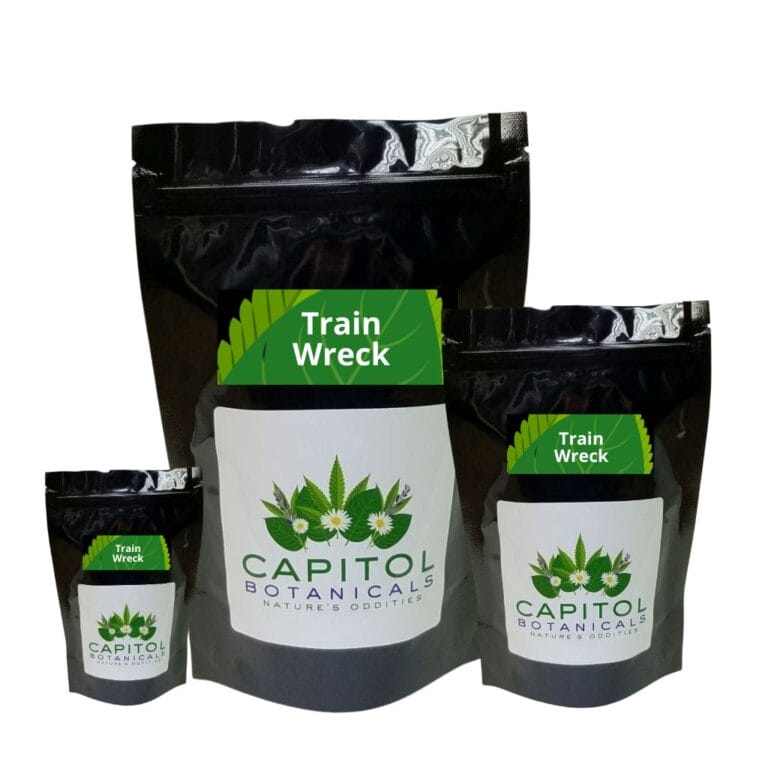
Talking about kratom with a healthcare provider might feel tricky, but honesty really opens the door for trust and safe care. Patients should share why they use kratom—whether for pain relief, focus, or quitting opioids—so doctors can offer better guidance and spot risks like side effects or drug interactions. It’s also helpful to discuss other treatments tried, so plans can be tailored without surprises. A frank chat helps everyone work together on the best path forward—there’s more to refine on how that looks.
Key Takeaways
- Approach conversations about kratom with honesty to build trust and allow providers to offer nonjudgmental support.
- Discuss the potential risks and side effects of kratom, including interactions with other substances like alcohol.
- Share your reasons and goals for using kratom to help providers tailor guidance and explore safer alternatives.
- Be open about all treatments and supplements you have tried to create a comprehensive care plan.
- Collaborate with your provider to develop a personalized plan addressing your physical and mental health needs.
Approaching the Conversation With Openness and Honesty

Often, starting a conversation about kratom with a healthcare provider can feel a bit like walking into a room where everyone else already knows the secret handshake—except you don’t.
In kratom healthcare discussion, honesty and openness lay the groundwork for a productive kratom medical dialogue. Providers aim to listen without judgment, recognizing patient autonomy while clearly stating they can’t officially recommend kratom due to FDA regulations. It is important to note that kratom contains psychoactive compounds like mitragynine and 7-hydroxymitragynine, which affect the body in dose-dependent ways. Continuous use of Kratom can lead to dependence and withdrawal, which is an important consideration for healthcare providers to discuss.
This transparent approach creates space for understanding rather than criticism, inviting users to share their motivations and goals freely. When both sides communicate openly, trust builds naturally, allowing patients to explore their choices without fear.
Approaching these talks with a spirit of mutual respect and straightforward honesty ensures kratom conversations remain enabling and informative, not intimidating or confusing.
Understanding the Safety and Risks of Kratom

While kratom has gained popularity for various uses, it’s important to take a moment to understand the safety and risks that come with it—because no one wants surprises when it comes to their health.
Kratom health communication plays a key role here, helping users and providers navigate side effects like nausea, dry mouth, and even more serious issues such as high blood pressure or liver damage. Discussing kratom use openly can uncover possible drug interactions and rare but severe risks like seizures or respiratory problems. Mixing kratom and alcohol can greatly increase the risk of overdose, and it is not recommended. Since about one-third of users report adverse effects, honest conversations can prevent complications and promote well-being.
Embracing freedom means staying informed and engaged, ensuring kratom’s benefits aren’t overshadowed by unexpected health challenges.
Exploring Your Reasons and Goals for Using Kratom

What motivates someone to turn to kratom can be as unique as the person themselves, weaving together a variety of personal goals and experiences.
Whether managing chronic pain, easing opioid withdrawal symptoms, lifting mood, or boosting focus, these reasons shape how users approach kratom medical communication. It is important to note that kratom’s active alkaloids act as partial opioid agonists, which influences both its effects and potential risks.
In a kratom provider discussion, sharing clear, honest motivations helps build trust and ensures tailored guidance. Kratom’s analgesic alkaloids like mitragynine and 7-hydroxymitragynine interact with opioid receptors, effectively reducing neuropathic, inflammatory, and musculoskeletal pain.
Some seek relief from persistent pain or stress, others explore kratom’s energizing effects for daily stamina, while a few use it to support emotional balance. Knowing and expressing these goals enables users to engage openly, fostering a dialogue that respects freedom and individual needs.
After all, honest conversations clear the path for safer, more informed choices without sacrificing personal autonomy.
Discussing Alternative Treatments and Support Options
Because navigating health challenges rarely has a one-size-fits-all solution, exploring alternative treatments and support options alongside kratom can open up valuable pathways for well-being. Research shows that kratom’s active alkaloids act as partial mu-opioid receptor agonists, which may influence its effects and risks.
When engaging in a kratom conversation, tips include honestly sharing all methods tried—whether herbal supplements, therapy, or lifestyle changes—so healthcare providers see the full picture. Kratom contains around 20 alkaloids, including the main active substance mitragynine, which has a potency level some 13 times that of morphine.
This healthcare provider guide encourages openness about combining treatments, which might reduce risks like drug interactions or side effects. Discussing support systems, like counseling or peer groups, also offers broader viewpoints beyond medication alone.
These conversations enable individuals to tailor their care with freedom and safety in mind, fostering trust and collaboration.
Creating a Personalized Plan With Your Healthcare Provider
When it comes to creating a custom plan with a healthcare provider, the process often begins with a thorough and thoughtful assessment that goes beyond just the surface.
Talking about kratom honestly helps medical professionals focus on individual needs, including mental health, physical symptoms, and personal preferences. This evaluation guides decisions like whether detox should be inpatient or outpatient, and if medications might ease withdrawal. Understanding signs of kratom addiction is essential for tailoring the most effective treatment approach. Potential risks and precautions associated with kratom use should also be considered.
A tailored plan might combine therapy, medication, and support groups, providing tools to tackle cravings and recognize triggers. It’s about crafting a road map that respects freedom while promoting wellness, balancing safety with personal choice.
Open conversations make this collaboration smoother, ensuring the plan fits life’s twists and turns, not just medical charts. After all, recovery isn’t one-size-fits-all—it’s uniquely yours.
Frequently Asked Questions
Can Kratom Show up on Standard Drug Tests?
Kratom typically does not appear on standard 5-panel drug tests, but some extended 10-panel tests may detect it. Detection depends on test type, frequency, dosage, and individual metabolism, influencing the likelihood of kratom being identified.
How Do I Find a Provider Knowledgeable About Kratom?
Locating a kratom-knowledgeable provider involves seeking those with addiction medicine certifications, integrative medicine backgrounds, or affiliations with academic centers. Professional associations like ASAM and specialized conferences also help identify clinicians experienced in kratom’s effects and risks.
Is It Safe to Mix Kratom With My Current Medications?
Mixing kratom with medications can be risky, especially with antidepressants, antipsychotics, opioids, or benzodiazepines, due to enzyme interactions causing toxicity or sedation. Consulting healthcare professionals for tailored guidance ensures safer use and avoids adverse effects.
What Legal Issues Should I Be Aware of Regarding Kratom?
Kratom legality varies by state; some ban it entirely, imposing severe penalties, while others regulate sales with age limits and safety standards. Users must stay informed about local laws to avoid fines or imprisonment.
Are There Support Groups Specifically for Kratom Users?
Support groups specifically for kratom users exist, including peer-led recovery communities, therapy-based support groups, structured clinical programs, and 12-step analogues. These offer nonjudgmental environments, shared experiences, and tailored strategies for managing use and recovery.